Every institution has a founding date. Few have a founding conviction.
Sancta Maria Catholic College of Nursing Sciences is a professional nursing institution in Uzairue, Edo State, accredited by the Nursing and Midwifery Council of Nigeria and operating within the grounds of Sancta Maria Catholic Hospital.
It did not arrive fully formed. The College was built in stages across more than a decade, and every stage had to be earned: the funding, the buildings, the regulatory approvals, the staff, and finally the students willing to take a chance on an institution that had never graduated anyone. This is how that happened.
The need: 2010
The idea was first raised in 2010.
Sancta Maria Catholic Hospital was already treating patients across Uzairue and the surrounding communities. The constraint on that work was not beds or buildings. It was people. Nigeria trains fewer nurses than it needs, retains fewer than it trains, and the shortfall falls hardest on facilities outside the major cities.
The proposition was straightforward. An institution already delivering healthcare was well placed to train the professionals who deliver it, and it had something most training institutions do not: a working hospital on the same site, where students could learn the profession in the environment where it is actually practised.
Building the foundation: 2013
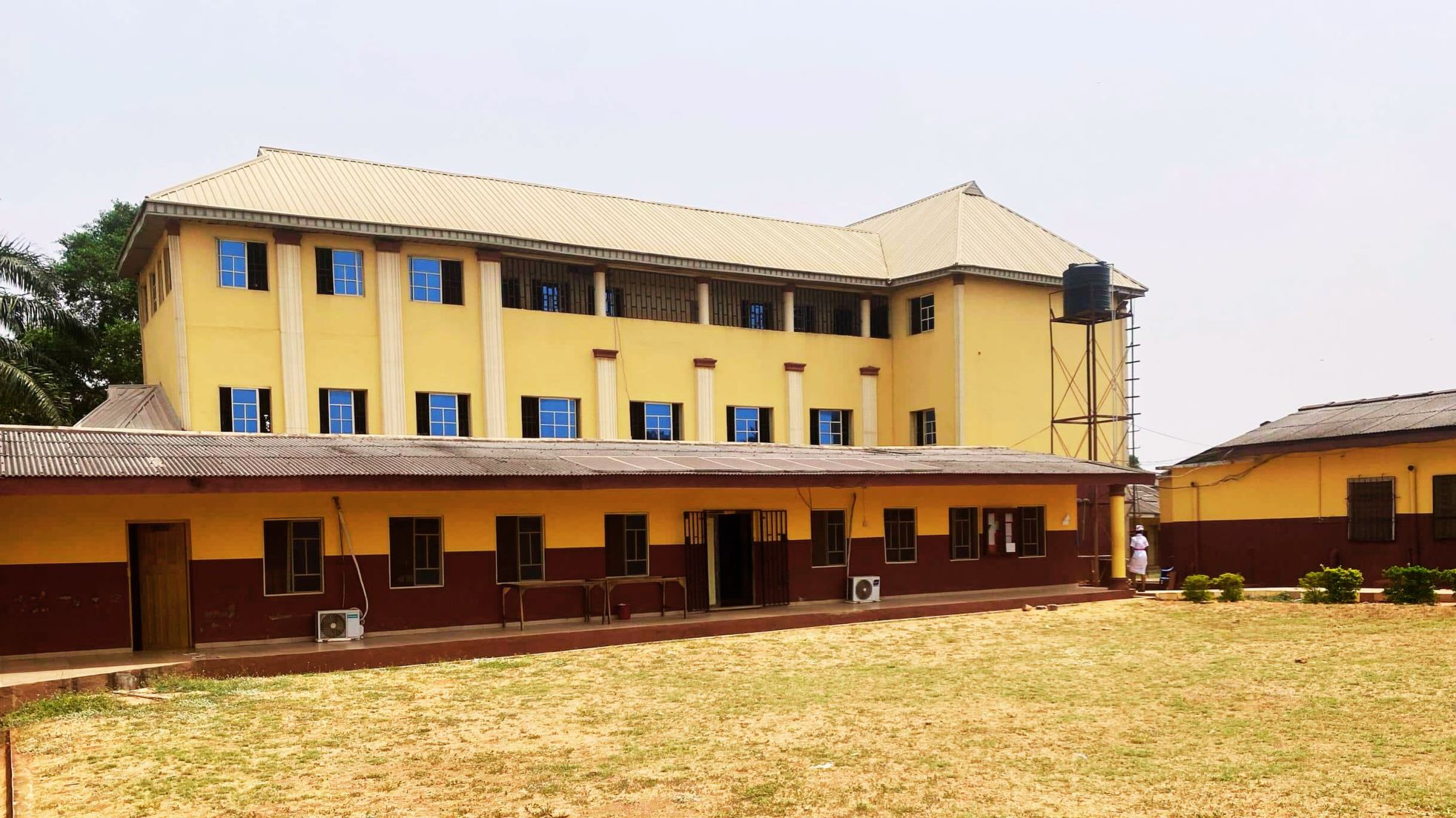
In 2013, construction began on the facilities that would become the College.
The three-year gap between the idea and the first block is the most instructive part of this history. Capital had to be raised and committed, and every naira allocated to classrooms was the result of efforts by the Proprietor and the successive Hospital Administrators during the period the Proprietor nursed the idea of establishing the College. The decision was taken purposefully and funded slowly.
Buildings were among the major criteria for the establishment of the College. Also, establishing a professional training institution means curriculum development, regulatory submissions, facility standards inspections, and the recruitment of qualified academic staff and subsequent admission of students.
Rev. Fr. Sylvester Attashie was appointed the College’s first Administrator in November 2018 and continued the work already started by previous Sancta Maria Hospital Administrators. He worked vigorously on the Proprietor’s proposal and ensured that the College was given its first approval for the Department of Midwifery by the Nursing and Midwifery Council of Nigeria (NMCN).
He was succeeded by Rev. Fr. Innocent Asamah, who continued the Administrative and developmental work through the stages that followed.
Regulatory recognition: 2020
In 2020 the Nursing and Midwifery Council of Nigeria granted the College provisional approval to commence professional training, beginning with Basic Midwifery. Provisional approval was recorded in October of that year. In 2023, the College was given full accreditation by Nursing and Midwifery Council of Nigeria.
This was the decisive milestone. Accreditation is what separates a training facility from a professional institution: it means the College is answerable to a national regulator, held to a national standard, and permitted to present candidates for professional qualifying examinations. Without it, nothing else that follows would have been possible.
Ten years after the idea was raised, the College was cleared to teach.
The pioneer cohort: 2021
The College admitted its first students in March 2021.
Those students enrolled at an institution with no alumni, no graduation record and no results to point to. Every subsequent cohort has been able to look at what came before them. The first could not. They assessed the quality of the teaching and the seriousness of the standard, and they continue to build on the standard.
That cohort remains a distinct part of the College’s identity, and their decision is one the institution has worked to justify since.
From the outset the emphasis was placed on four things: professional competence, clinical experience, academic discipline and personal conduct. Students trained inside a working hospital, moving between lecture room and ward throughout their programme rather than only in a final placement year.
The first graduating class: March 2024
The pioneer set graduated in March 2024. Fourteen years after the idea was raised, eleven years after construction began, three years after those students were enrolled, the College completed its first full academic cycle and sent qualified professionals into the healthcare system.
Expanding the academic offering
In 2023 the College received approval to commence Basic Nursing, broadening its scope from a school of midwifery into the fuller College of Nursing Sciences its name describes.
Nursing education in Nigeria has since moved to a diploma structure, and the College has moved with it. The principal pathway today is the National Diploma and Higher National Diploma in Nursing: a four year programme comprising two years of ND followed by two years of HND, integrating academic instruction, professional training and clinical practice throughout.
Graduates complete the programme holding two academic certificates and three professional qualifications, and proceed to national service.
A further pathway: 2026
In intergrating midwives and nurses already practicing into the reformed academic system by the Nursing and Midwifery Council of Nigeria the College started the admission of students. This is to grant students who are not originally admitted into the National Diploma Programme the opportunity to obtain Registered Nursing, Registered Midwifery, Registered Public Health Nursing Certificates.
This opened the institution to a different category of students: the nurse or midwife already registered and practising, seeking further qualification. Post Basic candidates enter partway through the programme, building on credentials they already hold rather than starting again.
It reflects a straightforward rhythm of where the profession is going. Nursing qualifications are increasingly a sequence rather than a single event, and an institution that only serves entrants serves half its market.
Governance and leadership
The College is owned and operated by the Catholic Diocese of Auchi. The Diocese of Auchi was created in 2002, and Most Rev. Dr. Gabriel Ghieakhomo Dunia has led it as its first and only Bishop since then. He holds ultimate oversight of the College as the proprietor.
The College has operated under continuous, unbroken governance since the day the idea was first nursed. Young institutions frequently stall when sponsorship changes hands or priorities shift, and many do not survive it. Sancta Maria has never faced that risk, and the fourteen-year commitment between concept and first graduation is only possible with a Proprietor who is passionate about education of the youth.
Administrators
Rev. Fr. Sylvester Attashie, who is the pioneer Administrator of the College.
Rev. Fr. Innocent Asamah, succeeded the pioneer Administrator of the College.
Provosts
Mrs. Jugo Elizabeth, first Provost of the College
Mrs. Anselm-Izuagie Catherine Abayomhe, the current Provost of the College
As a Catholic institution, the College is guided by a clear ethical framework, and admission is open to qualified applicants of every religious background.
Where we are today
The College currently teaches over 400 students and has graduated over 150 nurses and midwives into practice.
Its academic offering has grown from a basic midwifery programme to a four year ND and HND pathway with a Post Basic route alongside it. Its governance has been continuous. Its accreditation has been maintained.
The institution’s commitment is unchanged from the one that prompted the original question in 2010: to train competent, disciplined and capable healthcare professionals, and to send them into the communities that need them.
Milestones at a glance
| Year | Milestone |
|---|---|
| 2010 | The proposal for a nursing institution is raised by the Catholic Diocese of Auchi |
| 2013 | Construction and development of the College facilities begins |
| October 2020 | NMCN grants provisional accreditation for professional training, beginning with Basic Midwifery |
| March 2021 | The College admits its pioneer cohort |
| 2023 | Full accreditation obtained to commence Basic Nursing |
| March 2024 | The pioneer set graduates, completing the first full academic cycle |
| 2025 | Approval received to commence National Diploma in Nursing Science |
| Today | Over 400 students enrolled and over 150 graduates in practice |
Scientia Vitae Primo Est – Knowledge first saves life
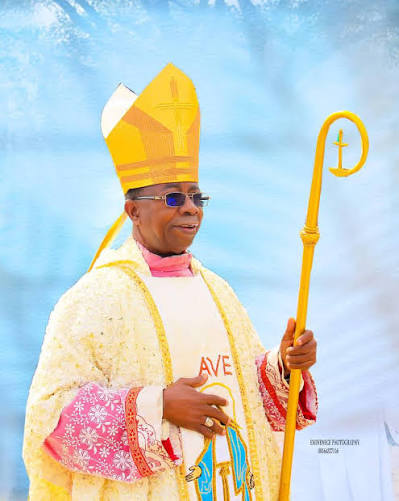
Most Rev. Dr. Gabriel Ghieakhomo Dunia
Bishop, Catholic Diocese of Auchi
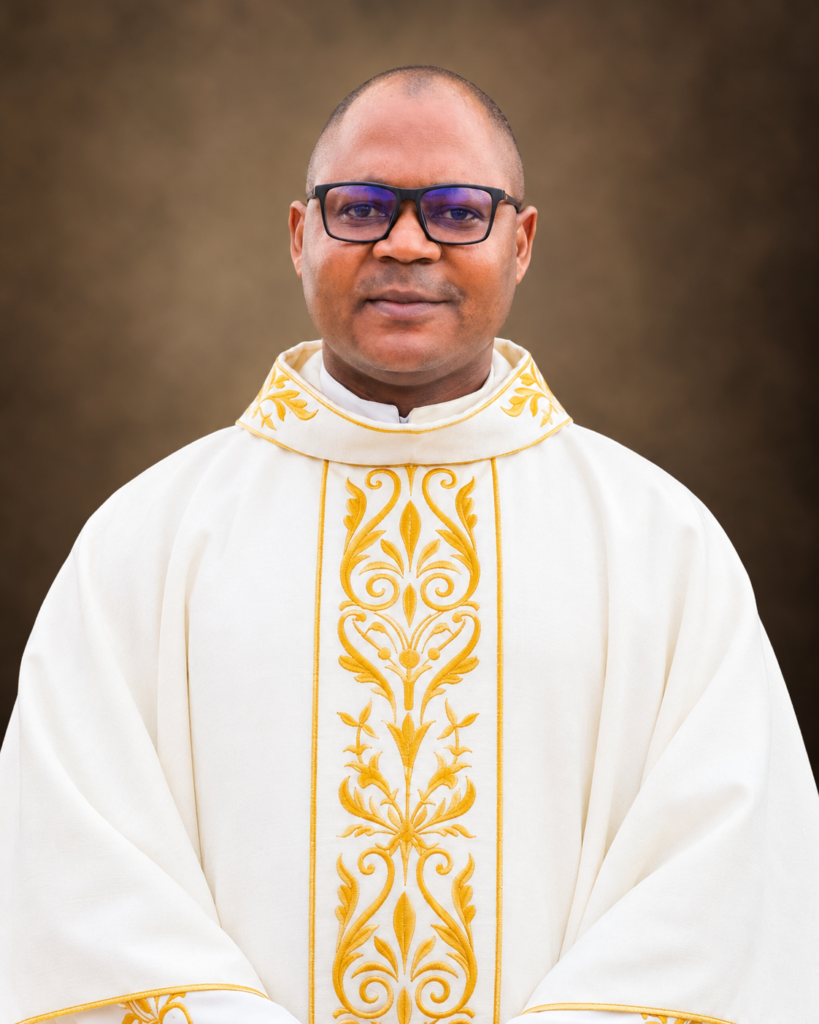
Rev. Fr. Sylvester Attashie
First Administrator
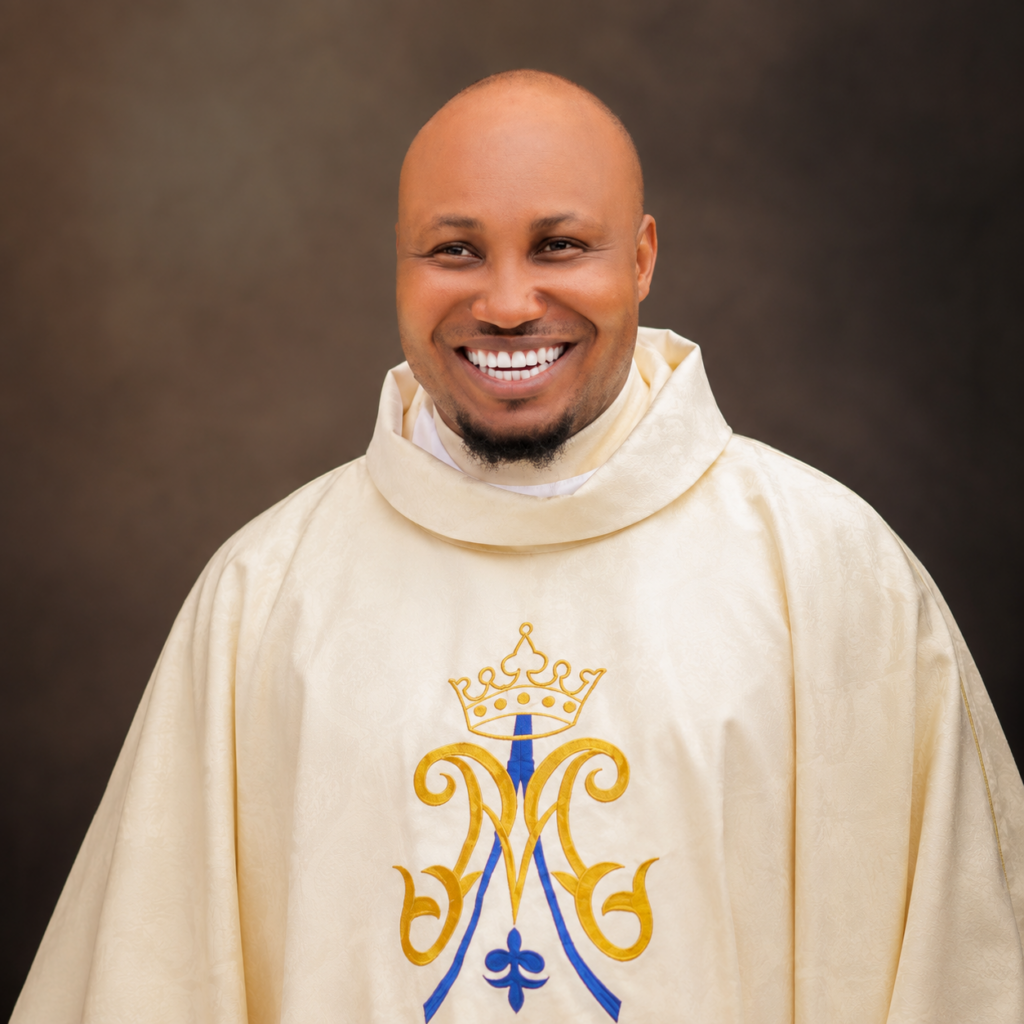
Rev. Fr. Innocent Asamah
Current Administrator
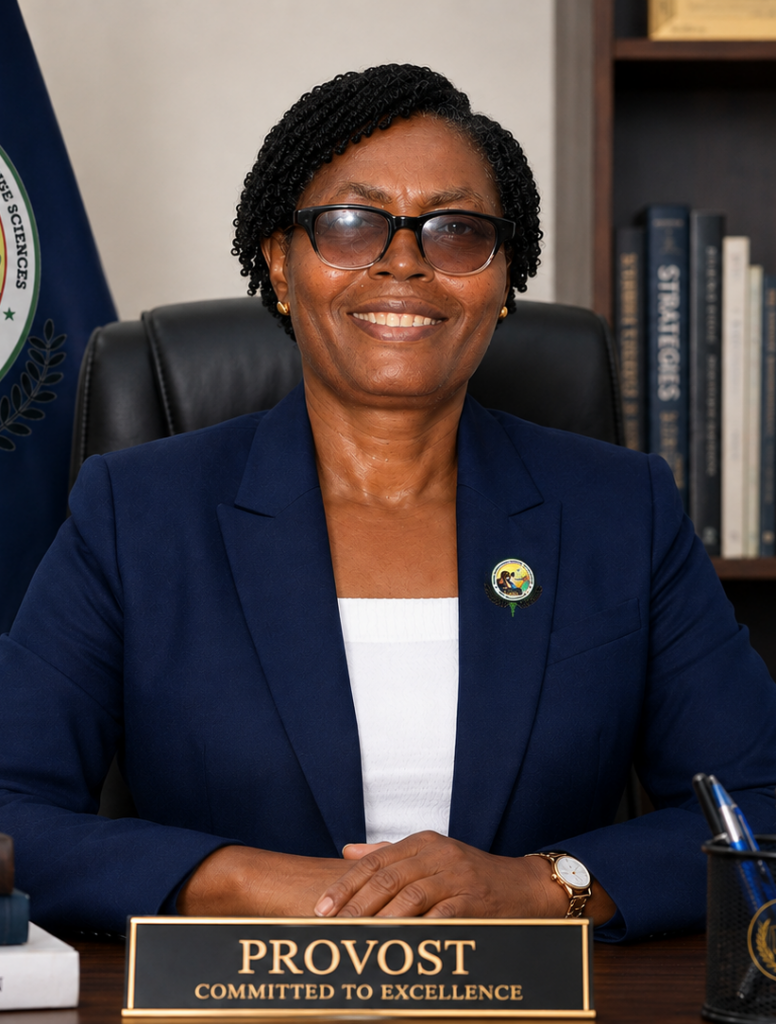
Mrs. Jugo Elizabeth
First Provost
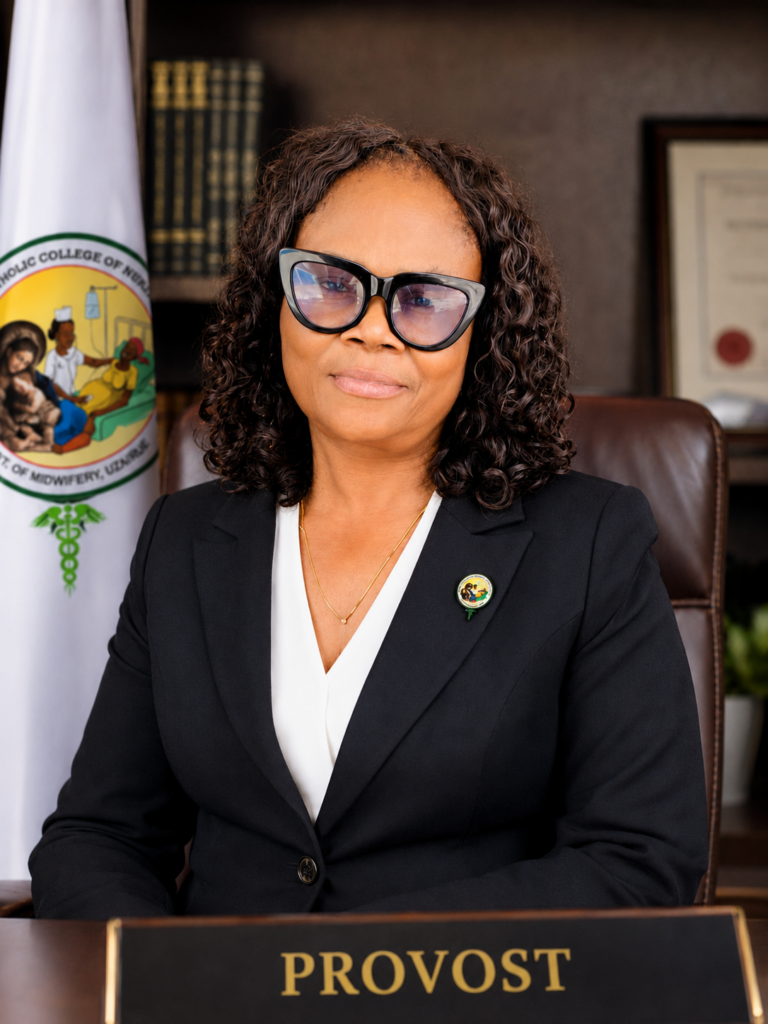
Mrs. Anselm-Izuagie Catherine Abayomhe
Current Provost